

Disclaimer: This post may contain affiliate links; see our disclaimer page here.
Between work, the commute, the deadlines, and everyone else’s needs, it’s easy to forget you have your own. Most of us don’t realize how much we’ve dropped for ourselves until stress and burnout force us to notice.
Table of Contents
What is self-care?
Self-care is doing the things, on purpose, that actually support your mental health, rather than just getting through the day on autopilot. It’s about treating your own needs as something worth prioritizing, not an afterthought.
Skip the small stuff for long enough, and it catches up with you. Prioritizing it isn’t extra; it’s part of keeping yourself okay.
Why is self-care so important?
Self-care isn’t selfish, and it isn’t indulgent. It’s the thing that makes everything else you’re carrying sustainable. That means actually setting aside time to rest, not just squeezing it in once everyone else’s needs are handled first.
As someone who’s been through a mental health crisis, I’ve picked up a few self-care habits over time, mostly through trial and error. Here are the nine self-care tips to improve mental health that don’t feel like one more chore.
1. Talk to a professional
Talking to someone trained to listen is self-care. It gives you a space to say the things you’re carrying without being judged for them, and a therapist can offer a perspective you genuinely can’t get from friends or family. It’s probably the single most useful step you can take for your mental health. It can feel scary to book that first appointment, but doing it anyway is a sign of strength, not weakness.
2. Improve your physical health
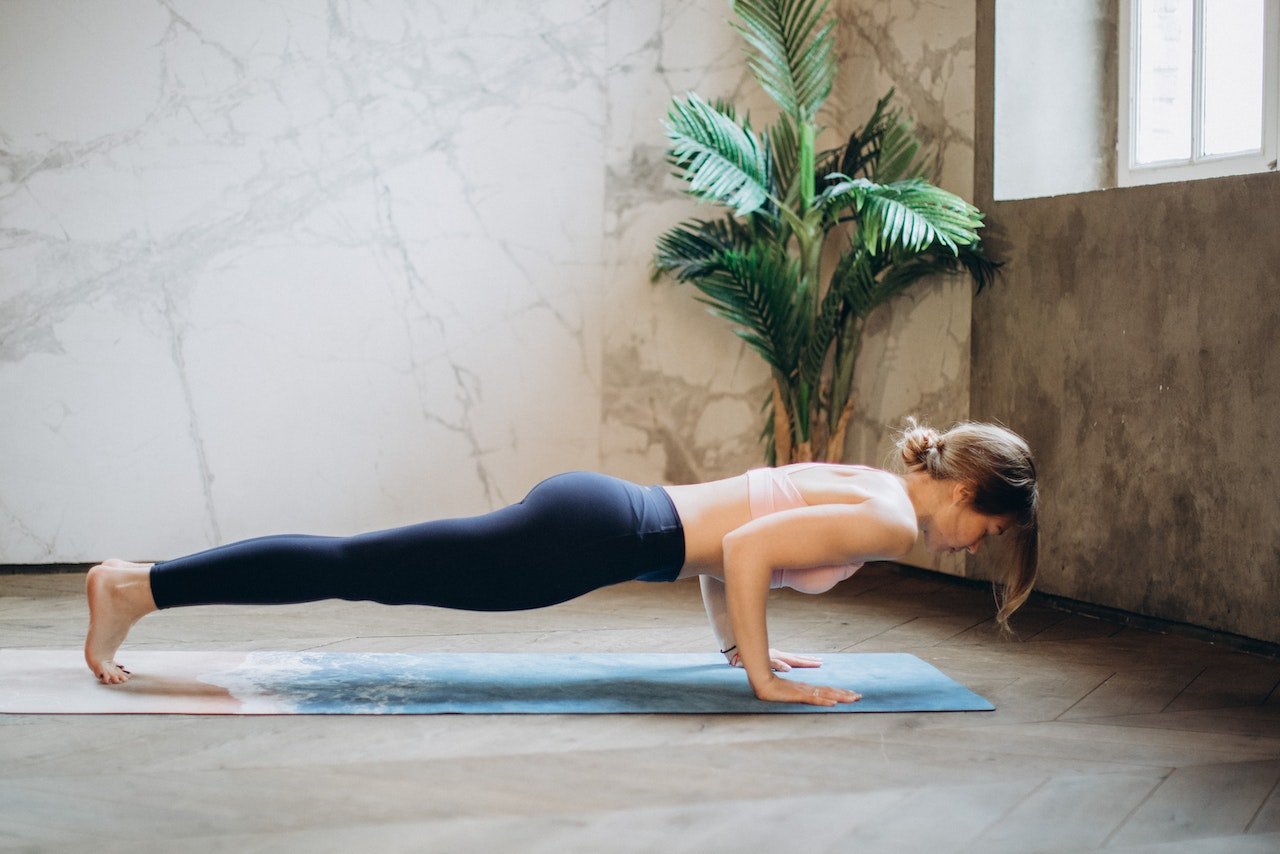
When people think of self-care, exercise usually isn’t the first thing that comes to mind; it’s more couch, book, coffee. But moving your body regularly does real work for your mental health, not just your physical health. It helps with stress, anxiety, and mood, and when it’s done with other people, it can be genuinely enjoyable rather than a chore.
It doesn’t have to be a gym membership or anything intense. If you’re more of a homebody, there are plenty of ways to move at home that still count.
3. Have a cup of tea
Beyond just smelling good, tea genuinely does something for your mental health and body. A few worth knowing about, if anxiety or stress is something you deal with:
- Chamomile — long-term use has been linked to reduced symptoms of generalized anxiety disorder
- Lemon balm — known for its calming effects, can help with insomnia and anxiety
- Green tea or matcha — rich in antioxidants, linked to lower stress and anxiety
- Ashwagandha — anti-inflammatory, associated with lower anxiety levels
Worth remembering that tea isn’t a replacement for prescribed medication. If you’re dealing with something serious, talk to your doctor.
4. Get some sleep
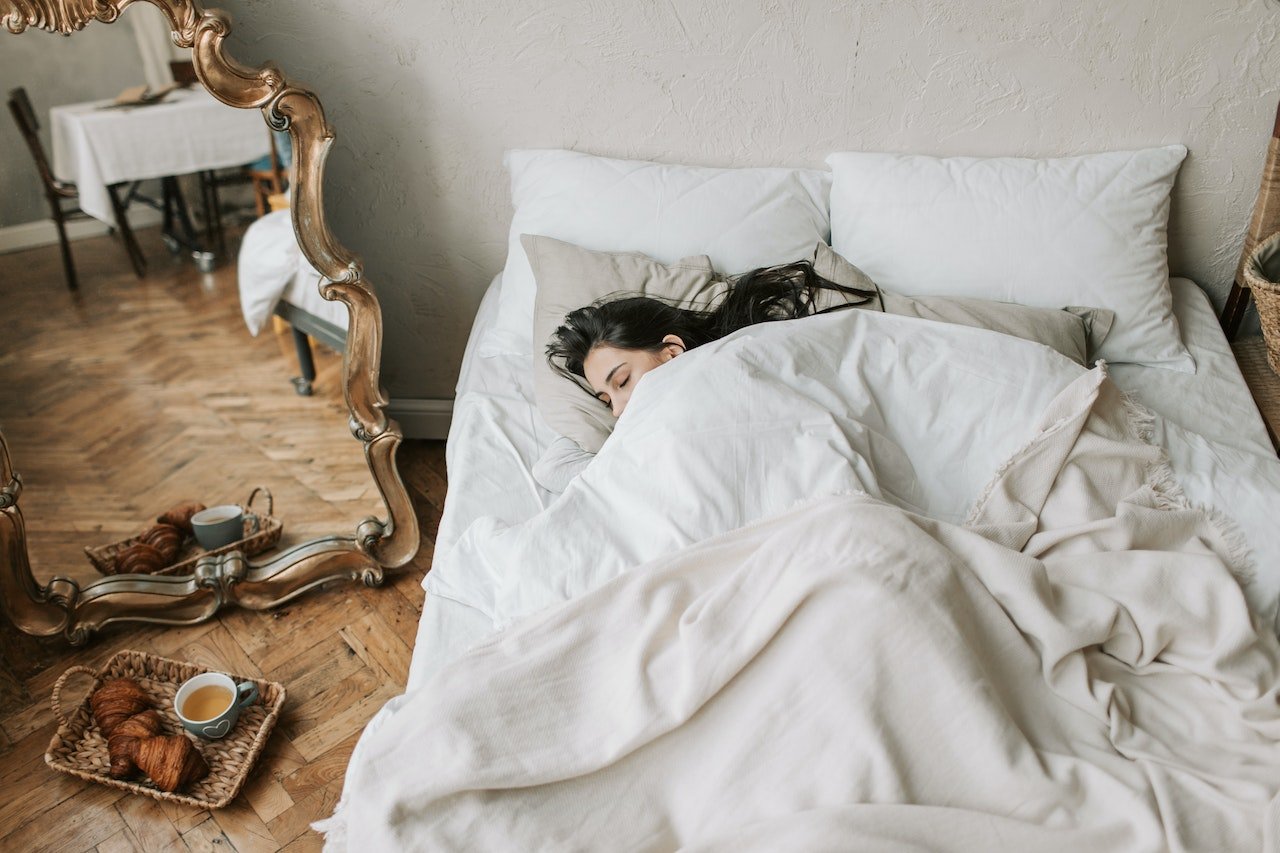
I’m honestly envious of people who can nap whenever they feel like it. A power nap is a legitimate self-care practice; it genuinely helps with mental clarity and productivity, not just tiredness.
Most adults need around 7+ hours of decent sleep for their body and mind to actually function properly. Which usually means cutting back on the things that get in the way of that, screen time being the obvious one.
5. Practice mindfulness
Mindfulness is about training your mind to sit still and stay present instead of running ahead to tomorrow or back over yesterday. Instead of getting pulled into negative thoughts, you bring your attention back to your breathing, to the actual sensations in your body, right now.
It also lets you observe your own thoughts and feelings without immediately judging them, which builds up your resilience over time.
There’s real research behind this too; mindfulness has been linked to better physical and mental health, lower stress, and more happiness overall. There are plenty of books and classes out there if you want a proper starting point.
6. Enjoy “me time”
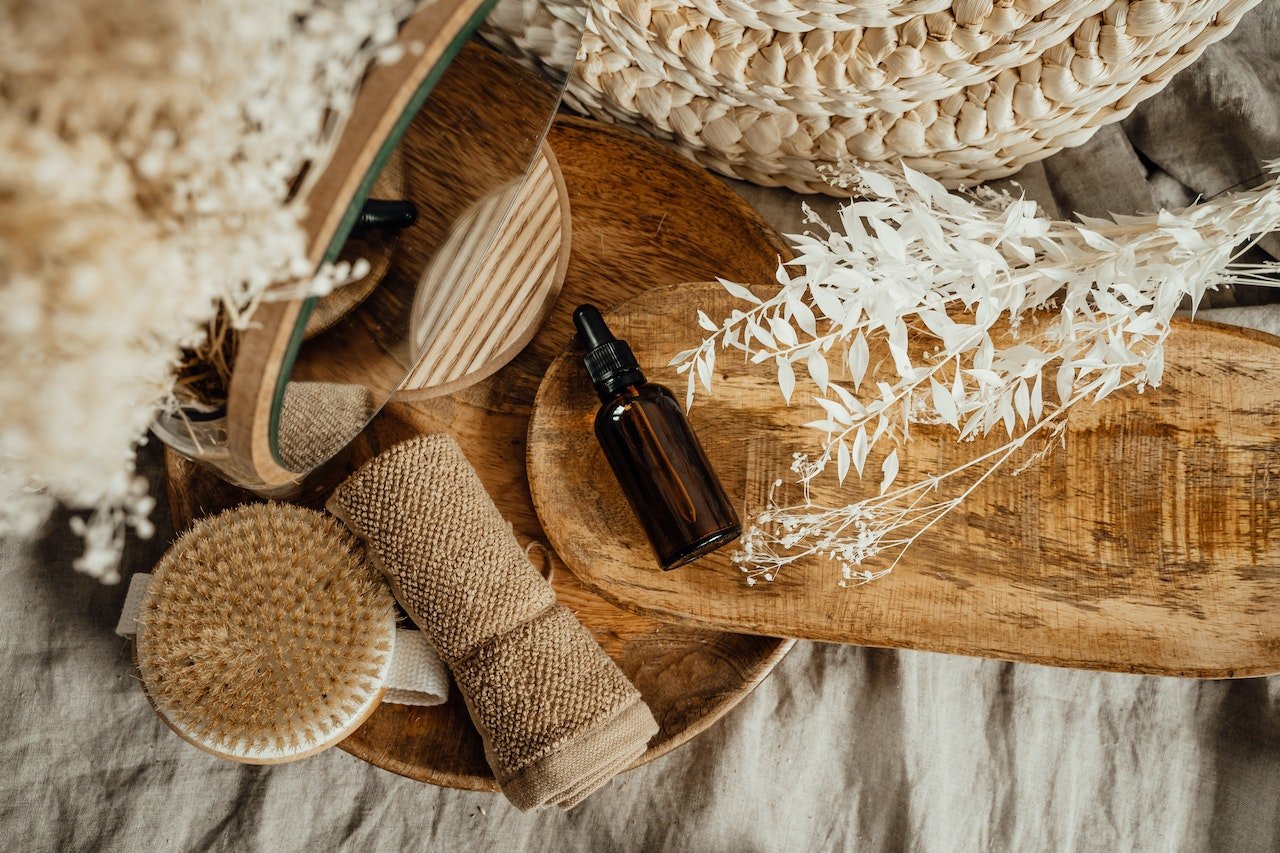
We work hard, so it’s fair to return some of that energy to ourselves once in a while. Doing your hair, a lazy spa afternoon, or genuinely doing nothing – all of it counts.
Getting your time management sorted actually helps here too, since it frees up the space for “me time” in the first place. It’s really just about treating your own needs as worth making room for.
So let’s indulge a little. Try a self-care weekend, get yourself that thing you’ve been eyeing, and enjoy it without guilt.
7. Connect with people
Spending time with people you care about, and building new connections too, is genuinely good for your mental and emotional well-being.
Games, going out, sharing a meal – it doesn’t need to be complicated. Being part of a social circle that isn’t toxic gives you a real sense of belonging, and it makes loneliness a lot less likely to creep in.
Self-care isn’t only about solitude. Socializing and maintaining real relationships fill you up too, and a solid support system makes everything else easier to cope with.
8. Read a book

One of my favorite things to do in my free time is read something that actually relates to whatever I’m going through. There’s nothing quite like sinking into the couch with a book that speaks directly to your situation to take the edge off stress.
Reading about what you’re going through reminds you that you’re not the only one who’s been there. A book on stress, for instance, doesn’t just comfort you; it can genuinely give you insight into what you’re dealing with and how to cope with it.
9. Enjoy nature
Setting aside time to actually be outside is a solid form of self-care, since nature has a genuinely calming effect on the brain and supports your overall mental health.
A study of nearly 20,000 people, led by Mathew White, found that spending around 120 minutes a week in green spaces was linked to greater happiness and lower stress levels.
So don’t skip the sun. Let yourself enjoy being outside.
None of these self-care tips to improve mental health need to happen all at once; pick the one that feels most doable today, and start there. The rest can wait.
Disclaimer: I am not a mental health professional. The information shared on this blog is based on personal experience and general knowledge. For personalized advice, please consult a qualified mental health professional. If you’re facing severe anxiety or a mental health crisis, please seek professional help. Visit our disclaimer page for more details.
Related: 50 Gratitude Journal Prompts You’ll Love
